
1. Introduction: Why Timing Matters for Chopta Chandrashila Trek
“The same trek feels completely different in every season.”
This line perfectly describes the experience of the Best Time for Chopta Chandrashila Trek with Tungnath. Nestled in the Garhwal Himalayas of Uttarakhand, the Chopta–Tungnath–Chandrashila trek is one of India’s most scenic and beginner-friendly Himalayan treks. But what truly defines your experience here is not just the route—it’s the time you choose to visit.
In summer, the trail is vibrant with blooming rhododendrons and clear mountain views. In winter, it transforms into a magical snow-covered landscape, offering an entirely different adventure. Monsoon brings misty forests and lush greenery but also challenges, while autumn offers crystal-clear Himalayan vistas that are unmatched.
Choosing the Best Time for Chopta Chandrashila Trek with Tungnath is crucial because weather conditions directly impact visibility, safety, accessibility, and overall enjoyment. A poorly timed trip can mean blocked roads, slippery trails, or limited views, while the right timing can reward you with panoramic Himalayan sunrises, peaceful trekking routes, and unforgettable memories.
The trek also holds spiritual significance due to the presence of Tungnath Temple, the highest Shiva temple in the world. Timing your visit right ensures you experience both the religious and natural essence of the region.
For travelers planning this journey, choosing the right base stay is equally important. Shivaay Premium Chopta offers a perfect blend of comfort, scenic beauty, and proximity to the trek start point—making it an ideal choice for trekkers, couples, and families.
In this detailed guide, we’ll explore the Chopta Chandrashila Trek best time, seasonal variations, trekking conditions, and expert tips to help you plan the perfect trip.
2. Overview of Chopta, Tungnath & Chandrashila Trek
Before deciding the Best Time for Chopta Chandrashila Trek with Tungnath, it’s essential to understand what makes this trek so special.
Where is Chopta?
Chopta is a small yet breathtaking hill station located in the Rudraprayag district of Uttarakhand, in the Garhwal region. Often called the “Mini Switzerland of India,” Chopta serves as the base for the Tungnath and Chandrashila trek.
Surrounded by dense forests of pine, deodar, and rhododendron, Chopta offers pristine natural beauty, fresh mountain air, and peaceful surroundings—making it perfect for nature lovers.
About Tungnath Temple
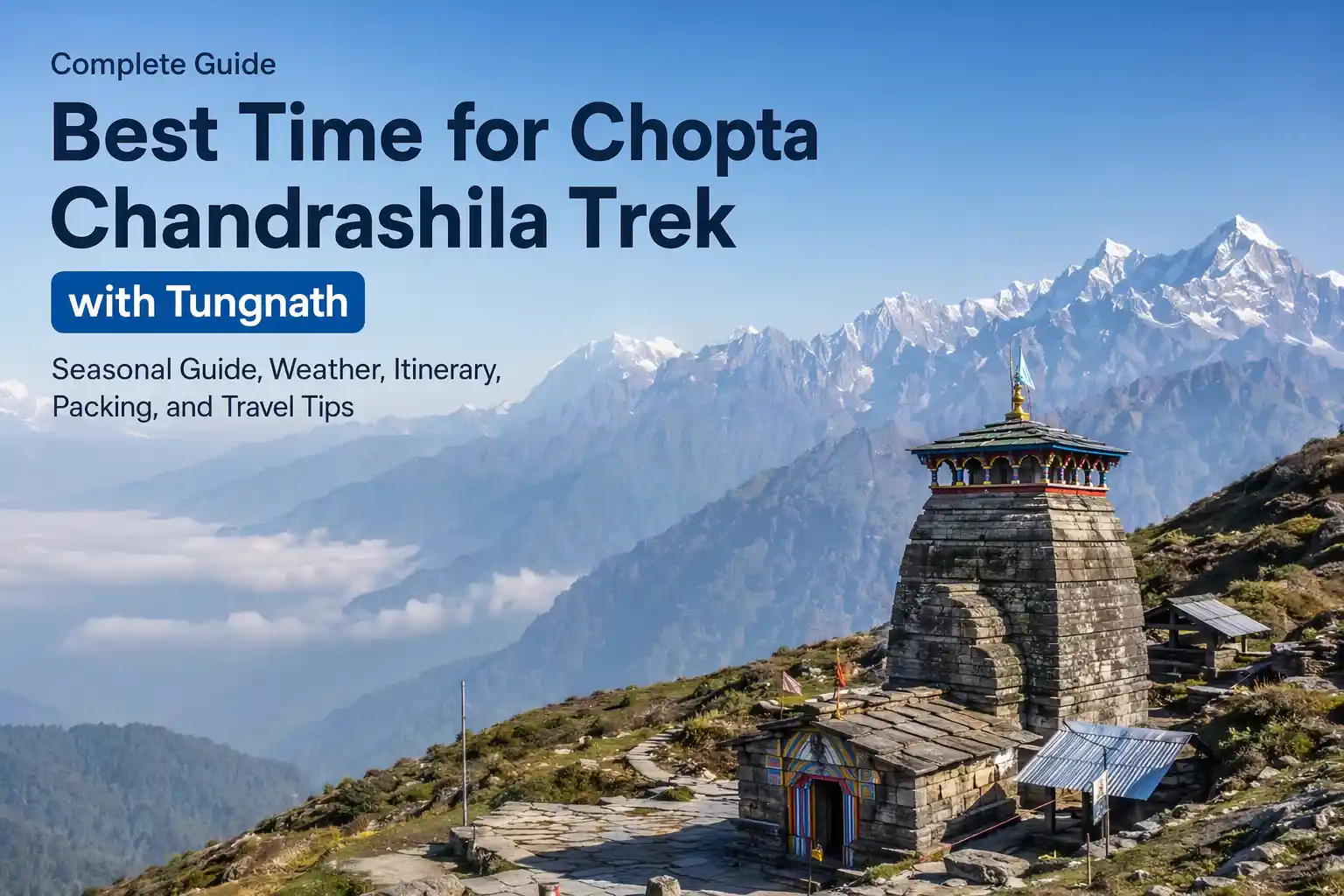
Tungnath Temple is the highest Shiva temple in the world, situated at an altitude of around 3,680 meters. It is one of the Panch Kedar temples and holds immense religious importance for devotees.
The temple is accessible via a well-defined trekking trail from Chopta (approximately 3.5 km). The Tungnath temple best time to visit is during its open months, typically from April/May to October/November.
Chandrashila Summit
From Tungnath, a further 1.5 km trek leads to the Chandrashila summit, located at about 4,000 meters. The summit offers a stunning 360-degree panoramic view of Himalayan peaks like Nanda Devi, Trishul, Chaukhamba, and Kedarnath Dome.
Sunrise from Chandrashila is one of the most breathtaking experiences, making it a key highlight of the trek.
Trek Details
- Total Distance: ~5 km (one way including Chandrashila)
- Difficulty Level: Easy to Moderate
- Starting Point: Chopta
- Maximum Altitude: ~4,000 meters
This trek is considered beginner-friendly, which is why it’s popular among:
- First-time trekkers
- Families
- Solo travelers
- Photographers
Why It’s So Popular
The Chopta Tungnath trek best time to visit attracts thousands of travelers every year because it offers:
- Short and manageable trekking distance
- Stunning Himalayan views
- Spiritual experience
- Seasonal variety (snow, greenery, clear skies)
Whether you are planning a Chopta Chandrashila trek in summer, winter, or autumn, each season offers a unique perspective of this beautiful trail.
3. Why Choosing the Best Time for Chopta Chandrashila Trek with Tungnath is Important
Selecting the Best Time for Chopta Chandrashila Trek with Tungnath is not just about convenience—it directly impacts your entire trekking experience.
Weather Conditions Matter
Weather in the Himalayas is highly unpredictable. Clear skies can turn into foggy conditions within minutes. The Chandrashila trek temperature varies significantly across seasons:
- Summer: Pleasant and comfortable
- Winter: Freezing with heavy snowfall
- Monsoon: Wet and slippery
Choosing the wrong time can limit visibility or make trekking difficult.
Accessibility Challenges
One of the biggest reasons to carefully choose the Chopta trekking season guide is accessibility. During winters, heavy snowfall can block roads leading to Chopta. In monsoon, landslides may disrupt travel routes.
This means:
- Delays in reaching Chopta
- Limited transport availability
- Increased travel risks
Safety Concerns
Safety is a major factor when deciding the Ideal time for Chandrashila summit trek. Certain seasons pose risks:
- Monsoon: Slippery trails, landslides
- Winter: Snow-covered paths, extreme cold
- Fog: Reduced visibility
Planning your trek during stable weather conditions significantly reduces risks.
Experience Difference by Season
Each season offers a completely different experience:
- Snow Trek (Winter): White landscapes, adventure
- Green Trails (Monsoon): Lush beauty but risky
- Clear Views (Autumn): Best visibility
- Pleasant Trek (Summer): Ideal for beginners
This is why understanding the Best season for Tungnath Chandrashila trek is essential before planning your trip.
Crowd vs Solitude
Another important factor is crowd level:
- Summer: Popular and crowded
- Autumn: Balanced
- Winter: Less crowded
- Monsoon: Minimal tourists
If you prefer peaceful trekking, autumn or winter might be ideal.
In short, choosing the Best Time for Chopta Chandrashila Trek with Tungnath ensures:
- Better safety
- Clear views
- Comfortable trekking
- Memorable experience
4. Seasonal Guide: Best Time for Chopta Chandrashila Trek with Tungnath (Overview)
Understanding the Best Time for Chopta Chandrashila Trek with Tungnath becomes easier when you break the year into four distinct Himalayan seasons. Each season offers a unique trekking experience, weather pattern, and landscape transformation.
1. Summer (March to June)
Summer is widely considered one of the most favorable periods for the Chopta Chandrashila Trek best time. The weather remains pleasant, with temperatures ranging between 10°C to 25°C. The snow begins to melt, revealing lush green meadows and blooming rhododendrons.
This is the best season for Tungnath Chandrashila trek for beginners, families, and those who prefer comfortable trekking conditions. The skies are generally clear, offering stunning views of Himalayan peaks.
2. Monsoon (July to September)
Monsoon transforms Chopta into a lush green paradise, but it comes with challenges. Heavy rainfall leads to slippery trails, frequent landslides, and reduced visibility.
While the landscape looks magical with mist and greenery, this is not considered the Ideal time for Chandrashila summit trek for most travelers. Only experienced trekkers may consider it with proper precautions.
3. Autumn (October to November)
Autumn is another top contender for the Best Time for Chopta Chandrashila Trek with Tungnath. The post-monsoon clarity ensures crystal-clear views of Himalayan peaks.
The weather is crisp and cool, making trekking comfortable. Compared to summer, the crowd is relatively less, offering a peaceful trekking experience. This is also the Tungnath temple best time to visit before it closes for winter.
4. Winter (December to February)
Winter turns Chopta into a snow paradise. This is the peak Chopta snowfall time, where the entire region is covered in thick snow.
Temperatures drop to -5°C to -15°C, making trekking challenging but incredibly rewarding. The Chopta Chandrashila trek in winter is perfect for adventure seekers and snow lovers.
Quick Comparison Summary
- Best overall time: March–June & October–November
- Best for snow: December–February
- Best for greenery: Monsoon (but risky)
- Best for beginners: Summer
This seasonal overview helps you choose the Chopta Tungnath trek best time to visit based on your travel goals.
5. Summer Season (March to June): Ideal Time for Beginners
If you’re looking for the most comfortable and beginner-friendly trekking experience, summer is undoubtedly the Best Time for Chopta Chandrashila Trek with Tungnath. Weather Conditions
During summer, the Chandrashila trek temperature ranges between 10°C and 25°C, making it perfect for trekking without extreme cold or heat. The days are pleasant, and nights are slightly chilly but manageable.
The snow begins to melt in March, and by April–May, the trails are mostly clear, making the trek easier and safer.
Natural Beauty & Views
One of the biggest highlights of the Chopta Chandrashila trek in summer is the blooming rhododendron flowers. The forests come alive with vibrant red and pink hues, creating a postcard-perfect landscape.
Clear skies allow uninterrupted views of majestic Himalayan peaks like:
- Nanda Devi
- Chaukhamba
- Trishul
This makes summer one of the best times for photography and sightseeing.
Tungnath Temple Opening
A major advantage of visiting during summer is that Tungnath Temple opens for devotees around April or May. This makes it the Tungnath temple best time to visit for those seeking a spiritual experience along with trekking.
Pilgrims and trekkers both visit during this period, making the trail lively and energetic.
Ideal for Beginners & Families
Summer is considered the easiest season in the Chopta trekking season guide because:
- Trails are dry and well-defined
- Weather is stable
- No snow-related challenges
- Low risk of landslides
This makes it perfect for:
- First-time trekkers
- Families with kids
- Couples
- Group travelers
Crowd Level
Since it’s the peak season, expect moderate to high tourist crowds. Weekends and holidays can be especially busy. However, the vibrant atmosphere adds to the experience for many travelers.
Why Stay at Shivaay Premium Chopta in Summer
During summer, staying at Shivaay Premium Chopta enhances your experience significantly:
- Easy access to trek starting point
- Comfortable stay after long hikes
- Scenic mountain views from your room
- Peaceful environment away from crowded areas
After a day of trekking, returning to a cozy and scenic stay adds immense value to your trip.
Final Verdict for Summer
If you are searching for the Best Time for Chopta Chandrashila Trek with Tungnath with:
- Comfortable weather
- Easy trekking conditions
- Clear mountain views
- Temple access
Then summer (March to June) is the perfect choice.
6. Monsoon Season (July to September): Risky but Beautiful
Monsoon in Chopta presents a completely different side of nature—lush, misty, and serene. However, it is not considered the Best Time for Chopta Chandrashila Trek with Tungnath for most travelers.
Weather Conditions
During monsoon, the region experiences heavy rainfall, leading to:
- Slippery trekking trails
- Muddy paths
- Frequent fog and low visibility
The Chandrashila trek temperature remains moderate, but the constant rain makes trekking physically demanding.
Lush Green Landscapes
On the positive side, monsoon transforms Chopta into a green paradise. The forests look fresh and vibrant, and the valleys are covered in mist, offering a dreamy atmosphere.
For nature lovers and photographers, this season can be visually rewarding.
Challenges & Risks
Despite its beauty, monsoon is considered the riskiest period in the Chopta trekking season guide due to:
- Landslides on roads leading to Chopta
- Slippery and unsafe trekking paths
- Limited visibility at higher altitudes
- Travel delays and disruptions
This is why it is not the Ideal time for Chandrashila summit trek for beginners.
Who Can Consider Monsoon Trekking?
The Chopta Chandrashila trek in monsoon can still be considered by:
- Experienced trekkers
- Adventure seekers
- Travelers comfortable with unpredictable conditions
However, proper precautions are essential.
Safety Tips for Monsoon
If you plan to visit during monsoon:
- Carry waterproof gear
- Wear high-grip trekking shoes
- Avoid trekking during heavy rain
- Check weather forecasts regularly
- Travel with a guide
Crowd Level
Monsoon sees very few tourists, making it ideal for those seeking solitude and peaceful surroundings.
Final Verdict for Monsoon
While the greenery is unmatched, monsoon is not the Best Time for Chopta Chandrashila Trek with Tungnath due to safety concerns.
However, if you are an experienced trekker looking for offbeat travel, it can still offer a unique experience.
7. Autumn Season (October to November): Best Time for Clear Views
Autumn is often regarded as the most visually rewarding period and one of the strongest contenders for the Best Time for Chopta Chandrashila Trek with Tungnath. If your priority is crystal-clear Himalayan views, peaceful trekking conditions, and a balanced climate, this season stands out.
Weather Conditions in Autumn
During October and November, the weather becomes crisp and stable after the monsoon season. The Chandrashila trek temperature typically ranges between 5°C to 15°C during the day and can drop close to freezing at night.
Unlike summer, the air is dry and visibility is exceptionally high. This makes autumn one of the best periods in the Chopta trekking season guide for trekkers who want uninterrupted mountain views.
Best Visibility of Himalayan Peaks
One of the biggest highlights of the Chopta Chandrashila Trek best time in autumn is the clarity of the sky. Post-monsoon conditions remove dust and haze from the atmosphere, offering breathtaking views of:
- Nanda Devi
- Chaukhamba
- Trishul
- Kedarnath Dome
The sunrise from Chandrashila during this time is particularly stunning, with golden hues lighting up snow-capped peaks.
Ideal for Photography and Peaceful Trekking
Autumn is considered one of the best seasons for photography. Whether you are capturing landscapes, sunrise views, or the serene trekking trail, the lighting and visibility are ideal.
Another advantage is the reduced crowd compared to summer. This makes it perfect for:
- Solo travelers seeking peace
- Couples looking for a quiet getaway
- Photographers wanting uninterrupted shots
Comfortable Trekking Conditions
The trekking trail during autumn is dry, stable, and easy to navigate. There is no snow-related difficulty, and the monsoon mud has already settled. This makes it suitable for both beginners and experienced trekkers.
Because of these factors, many travelers consider autumn the Ideal time for Chandrashila summit trek.
Tungnath Temple Experience
Autumn also marks the last phase of the pilgrimage season. The temple usually closes in October or early November. This makes it the final opportunity of the year for devotees to visit during the Tungnath temple best time to visit.
The combination of spiritual significance and scenic beauty makes autumn uniquely special.
Why Choose Shivaay Premium Chopta in Autumn
Staying at Shivaay Premium Chopta during autumn enhances the experience in several ways:
- Clear views of surrounding mountains from the property
- Peaceful environment due to fewer crowds
- Easy access to the trek route
- Comfortable stay in cool weather
Final Verdict for Autumn
If your goal is to experience the Best Time for Chopta Chandrashila Trek with Tungnath with:
- Clear Himalayan views
- Balanced weather
- Less crowd
- Ideal trekking conditions
Then October to November is one of the best choices.
8. Winter Season (December to February): Snow Trek Experience
Winter transforms Chopta into a snow-covered paradise, making it one of the most magical yet challenging times for trekking. The Chopta Chandrashila trek in winter is ideal for those who seek adventure and want to experience the Himalayas in their raw, snowy form.
Snowfall and Landscape Transformation
Winter marks the peak Chopta snowfall time, especially from late December to February. The entire region gets covered in thick layers of snow, turning forests, trails, and meadows into a white wonderland.
This is why Chopta is often referred to as a “Mini Switzerland” during winter.
Temperature and Weather Conditions
The Chandrashila trek temperature during winter ranges from:
- Day: -5°C to 5°C
- Night: -10°C to -15°C
The cold can be intense, and snowfall can be frequent. Weather conditions may change quickly, so proper planning is essential.
Snow Trekking Experience
The biggest attraction of winter is the snow trekking experience. The route from Chopta to Tungnath and Chandrashila becomes more challenging due to snow-covered trails.
Trekkers may need:
- Snow boots or gaiters
- Trekking poles
- Layered winter clothing
The effort, however, is rewarded with breathtaking views and a sense of adventure.
Chandrashila Summit in Winter
Reaching the summit during winter is a truly unforgettable experience. The snow-covered peaks, clear skies, and peaceful surroundings create a surreal environment.
The sunrise from Chandrashila in winter is considered one of the best experiences in the Himalayas.
Tungnath Temple in Winter
During winter, Tungnath Temple remains closed due to heavy snowfall. However, trekkers can still reach the temple area and continue toward Chandrashila if conditions permit.
For religious travelers, winter may not be the Tungnath temple best time to visit, but for adventure seekers, it offers a completely different experience.
Challenges in Winter Trekking
Winter trekking comes with certain difficulties:
- Extreme cold temperatures
- Snow-covered and slippery trails
- Increased physical effort
- Limited accessibility due to road blockages
Because of these challenges, winter falls under moderate to difficult category in the Chopta trekking season guide.
Who Should Choose Winter Trek
The Chopta Chandrashila trek in winter is best suited for:
- Adventure enthusiasts
- Snow lovers
- Experienced trekkers
- Travelers looking for unique experiences
Beginners can attempt it but should be well-prepared or guided.
Why Shivaay Premium Chopta is Ideal in Winter
Shivaay Premium Chopta becomes an excellent base during winter because:
- Provides warm and comfortable accommodation
- Offers scenic snow views
- Ensures a safe and relaxing stay after trekking
- Located conveniently near trek starting point
After a challenging snow trek, a comfortable stay becomes essential.
Final Verdict for Winter
If you are looking for the Best Time for Chopta Chandrashila Trek with Tungnath with:
- Snow-covered landscapes
- Adventure-filled trekking
- Unique winter experience
Then December to February is the perfect choice, provided you are prepared for extreme conditions.
9. Best Time for Snow Trek in Chopta
For travelers specifically looking for a snow adventure, understanding the Best Time for Chopta Chandrashila Trek with Tungnath in winter is crucial.
Peak Snowfall Months
The best months for experiencing snow are:
- Late December
- January
- Early February
January is considered the peak Chopta snowfall time, when the region receives maximum snowfall and the trails are fully covered in snow.
What to Expect During Snow Trek
During this period, the entire trek transforms into a snow trail. Expect:
- Thick snow layers on trekking paths
- Snow-covered forests and meadows
- Limited footprints and quieter routes
- Stunning white landscapes
The experience is visually magical but physically demanding.
Trek Difficulty in Snow
The Chopta Chandrashila trek best time for snow comes with increased difficulty. Snow makes the trail:
- Slippery
- Harder to navigate
- More physically exhausting
Proper gear and preparation are essential.
Safety Considerations
If you are planning a snow trek:
- Avoid trekking alone
- Start early in the day
- Check weather conditions
- Hire a local guide if needed
Ideal Travelers for Snow Trek
The snow trek is best suited for:
- Adventure lovers
- Experienced trekkers
- Photographers seeking winter landscapes
For beginners, it is advisable to take guidance or choose early winter when snow is manageable.
Final Insight
If your goal is to experience snow, then December to February is the Ideal time for Chandrashila summit trek in winter conditions. It offers a completely different side of the Himalayas that cannot be experienced in any other season.
10. Best Time for Clear Himalayan Views
If your primary goal is to witness uninterrupted Himalayan panoramas, then choosing the Best Time for Chopta Chandrashila Trek with Tungnath becomes even more important. Visibility plays a crucial role in defining your trekking experience, especially when reaching the Chandrashila summit.
Best Months for Clear Views
The best time for crystal-clear Himalayan views is:
- October to November (Autumn)
- March (Early Summer transition)
These months offer the clearest skies in the entire Chopta trekking season guide.
Why Autumn is Ideal
Post-monsoon conditions in autumn wash away dust and pollution from the atmosphere. This results in:
- Sharp visibility of distant peaks
- Deep blue skies
- Stunning sunrise and sunset colors
This is why autumn is often considered the Chopta Chandrashila trek best time for photographers and nature lovers.
March Advantage
March also offers good visibility before the summer haze begins. Additionally, you may still find patches of snow, adding contrast to the landscape.
Sunrise at Chandrashila
One of the highlights of the Ideal time for Chandrashila summit trek is witnessing the sunrise. During autumn and early summer:
- The sky remains clear at dawn
- Sunlight gradually illuminates snow-capped peaks
- Visibility extends across multiple Himalayan ranges
This makes early morning trekking highly recommended.
When to Avoid for Views
- Monsoon (July–September): Fog and clouds block views
- Peak summer afternoons: Slight haze may appear
Final Insight
For those seeking breathtaking Himalayan views, October–November is the Best Time for Chopta Chandrashila Trek with Tungnath, followed closely by March. These months ensure that your effort of trekking to Chandrashila is rewarded with panoramic beauty.
11. Best Time for Tungnath Temple Visit
For spiritual travelers, the Tungnath temple best time to visit is a key factor when planning the Best Time for Chopta Chandrashila Trek with Tungnath.
Temple Opening and Closing Time
Tungnath Temple follows a seasonal schedule:
- Opens: April or May (depending on weather)
- Closes: October or early November
During winter, the temple remains closed due to heavy snowfall, and the deity is shifted to Makkumath village.
Best Months for Temple Visit
The ideal months for visiting Tungnath Temple are:
- May to June (Summer peak)
- September to October (Autumn period)
These months offer the best balance of accessibility and weather conditions.
Spiritual Significance
Tungnath is one of the Panch Kedar temples and holds immense importance for devotees of Lord Shiva. Combining a spiritual journey with trekking makes it a unique experience.
Visiting during the open season ensures that you can:
- Offer prayers at the temple
- Experience local rituals and traditions
- Combine pilgrimage with scenic trekking
Trek Experience During Temple Season
The trail remains well-maintained during the open season, making it easier for:
- Pilgrims
- Families
- Beginner trekkers
This period is considered the most accessible phase in the Chopta Tungnath trek best time to visit.
When to Avoid
- Winter months: Temple closed
- Monsoon: Risky trekking conditions
Final Insight
If your focus is on spirituality along with trekking, then May–June and September–October are the Best Time for Chopta Chandrashila Trek with Tungnath, ensuring both temple access and a comfortable trekking experience.
12. Best Time for Photography & Instagram Spots
For photographers and content creators, timing your visit according to seasonal beauty is essential when planning the Best Time for Chopta Chandrashila Trek with Tungnath.
Each season offers a different visual theme, making Chopta a year-round photography destination.
Spring Bloom (March–April)
Spring is perfect for capturing:
- Rhododendron flowers in full bloom
- Fresh greenery
- Snow patches combined with colorful forests
This is one of the most visually vibrant phases in the Chopta Chandrashila trek best time calendar.
Autumn Clarity (October)
Autumn is ideal for:
- Sharp mountain photography
- Clear sky landscapes
- Golden sunrise and sunset shots
This is considered the best time for professional landscape photography.
Winter Snow Shots (December–January)
Winter offers dramatic visuals:
- Snow-covered trees and trails
- White landscapes with minimal human interference
- Unique contrast of blue skies and white snow
The Chopta Chandrashila trek in winter is highly popular among photographers looking for snow content.
Monsoon Mist (July–August)
Although risky, monsoon provides:
- Foggy trails
- Moody forest shots
- Lush greenery
However, limited visibility can restrict wide-angle photography.
Best Spots for Photography
- Tungnath Temple backdrop
- Chandrashila summit sunrise
- Forest trails near Chopta
- Meadows and valley viewpoints
Final Insight
For photography lovers, the Best Time for Chopta Chandrashila Trek with Tungnath depends on your style:
- Colors and blooms: March–April
- Clear mountain shots: October
- Snow landscapes: January
Each season offers a unique visual story worth capturing.
13. Month-by-Month Weather Guide for Chopta
To truly understand the Best Time for Chopta Chandrashila Trek with Tungnath, a month-by-month breakdown helps you plan your trip more precisely. This detailed Chopta weather by month guide gives clarity on temperature, trekking conditions, and crowd levels.
January
- Temperature: -5°C to -15°C
- Conditions: Heavy snowfall, full snow trek
- Crowd: Low
- Recommendation: Best for snow lovers and experienced trekkers
January is peak Chopta snowfall time, making it ideal for those seeking a winter adventure.
February
- Temperature: -3°C to -10°C
- Conditions: Snow remains, slightly more stable weather
- Crowd: Low
- Recommendation: Good for snow trekking with slightly improved accessibility
March
- Temperature: 0°C to 10°C
- Conditions: Snow begins to melt, mixed terrain
- Crowd: Moderate
- Recommendation: Great transition period with snow + greenery
March is considered part of the Chopta Chandrashila trek best time for those wanting both snow and clear views.
April
- Temperature: 5°C to 15°C
- Conditions: Clear trails, blooming flowers
- Crowd: Moderate to high
- Recommendation: Ideal for beginners and temple visits
May
- Temperature: 10°C to 20°C
- Conditions: Pleasant weather, clear skies
- Crowd: High
- Recommendation: One of the best months in the Chopta Tungnath trek best time to visit
June
- Temperature: 15°C to 25°C
- Conditions: Warm days, slight haze possible
- Crowd: High
- Recommendation: Good for families and comfortable trekking
July
- Temperature: 15°C to 22°C
- Conditions: Heavy rainfall begins
- Crowd: Low
- Recommendation: Not ideal due to landslides
August
- Temperature: 14°C to 20°C
- Conditions: Peak monsoon, lush greenery
- Crowd: Very low
- Recommendation: Only for experienced trekkers
September
- Temperature: 10°C to 18°C
- Conditions: Rain reduces, greenery remains
- Crowd: Low to moderate
- Recommendation: Good for peaceful travel after monsoon
October
- Temperature: 5°C to 15°C
- Conditions: Clear skies, crisp air
- Crowd: Moderate
- Recommendation: One of the Best Time for Chopta Chandrashila Trek with Tungnath
November
- Temperature: 0°C to 10°C
- Conditions: Cold begins, clear visibility
- Crowd: Low
- Recommendation: Ideal for quiet trekking and photography
December
- Temperature: -2°C to -10°C
- Conditions: Snowfall starts
- Crowd: Low
- Recommendation: Beginning of snow trekking season
Final Insight
This Chopta trekking season guide shows that:
- Best months overall: April–June, October–November
- Best for snow: December–February
- Avoid for safety: July–August
Choosing the right month ensures you experience the Ideal time for Chandrashila summit trek.
14. What to Pack Based on Season
Packing correctly is essential when planning the Best Time for Chopta Chandrashila Trek with Tungnath. Weather conditions vary significantly, so your gear should match the season.
Summer Packing (March to June)
For the Chopta Chandrashila trek in summer, pack light but smart:
- Light woolens for mornings and evenings
- Comfortable trekking shoes
- Sunglasses and sunscreen
- Water bottles and snacks
- Basic first aid kit
Even in summer, nights can be cool, so layering is important.
Winter Packing (December to February)
For the Chopta Chandrashila trek in winter, proper gear is critical:
- Thermal inner wear
- Heavy jackets
- Woolen gloves and caps
- Snow boots or waterproof shoes
- Thick socks
- Hand warmers
Cold protection is essential due to extreme Chandrashila trek temperature.
Monsoon Packing (July to September)
If traveling during Chopta Chandrashila trek in monsoon, focus on waterproofing:
- Raincoat or poncho
- Waterproof backpack covers
- Anti-slip trekking shoes
- Quick-dry clothes
Avoid cotton clothing as it retains moisture.
Autumn Packing (October to November)
Autumn requires balanced packing:
- Light woolens
- Windproof jackets
- Trekking shoes
- Camera gear for clear views
Essential Trekking Gear Checklist
Regardless of season:
- Trekking pole
- Backpack (lightweight)
- Energy snacks
- Power bank
- Torch or headlamp
- Personal medicines
Final Insight
Packing correctly ensures comfort and safety during the Best Time for Chopta Chandrashila Trek with Tungnath. Always check the Chopta weather by month before finalizing your packing list.
15. Difficulty Level in Different Seasons
The difficulty of the trek varies depending on the season, making it important to choose the Best Time for Chopta Chandrashila Trek with Tungnath based on your fitness and experience level.
Summer Season Difficulty
- Level: Easy
- Conditions: Dry and stable trails
- Ideal for: Beginners and families
Summer is the easiest phase in the Chopta trekking season guide, making it perfect for first-time trekkers.
Autumn Season Difficulty
- Level: Easy to Moderate
- Conditions: Cool weather, clear paths
- Ideal for: All types of travelers
Autumn offers a balanced trekking experience with minimal risks.
Winter Season Difficulty
- Level: Moderate to Difficult
- Conditions: Snow-covered trails
- Ideal for: Experienced trekkers
The Chopta Chandrashila trek in winter requires physical strength and proper gear due to snow and cold.
Monsoon Season Difficulty
- Level: Risky
- Conditions: Slippery, muddy trails
- Ideal for: Experienced trekkers only
Monsoon is the most challenging season and not recommended for beginners.
Final Insight
Understanding difficulty levels helps you choose the Chopta Tungnath trek best time to visit based on your capability:
- Beginners: Summer
- Balanced experience: Autumn
- Adventure: Winter
- Avoid: Monsoon
16. Safety Tips for Each Season
No matter when you plan your journey, following safety precautions is essential to truly enjoy the Best Time for Chopta Chandrashila Trek with Tungnath. Each season presents different challenges, and being prepared can make a huge difference.
General Safety Tips
Before diving into season-specific precautions, here are some universal safety practices:
- Start your trek early in the morning
- Stay hydrated and carry energy snacks
- Avoid trekking alone, especially at higher altitudes
- Inform someone about your travel plan
- Check the Chopta weather by month before departure
Summer Safety Tips
During the Chopta Chandrashila trek in summer, conditions are relatively safe, but precautions are still necessary:
- Use sunscreen to avoid sunburn at high altitude
- Wear comfortable trekking shoes
- Avoid overexertion in warm afternoons
- Stay hydrated
Monsoon Safety Tips
Monsoon is the most sensitive period in the Chopta trekking season guide:
- Avoid trekking during heavy rainfall
- Wear anti-slip shoes
- Stay updated on landslide alerts
- Do not take shortcuts on slippery trails
- Consider hiring a local guide
Autumn Safety Tips
Autumn is relatively stable but still requires attention:
- Carry warm clothing as temperatures drop quickly
- Start early to avoid cold evening conditions
- Maintain a steady pace during trekking
Winter Safety Tips
Winter requires maximum caution due to extreme conditions:
- Avoid solo trekking in snow
- Wear proper winter gear including thermals and gloves
- Use trekking poles for balance
- Be aware of frostbite risks
- Check route accessibility before starting
The Chopta Chandrashila trek in winter can be rewarding but demands preparation and awareness.
Final Insight
Following these precautions ensures that you experience the Best Time for Chopta Chandrashila Trek with Tungnath safely, regardless of the season you choose.
17. Why Stay in Chopta Enhances Your Trek Experience
Choosing to stay in Chopta rather than nearby towns significantly improves your trekking experience. It plays a key role in making the most of the Best Time for Chopta Chandrashila Trek with Tungnath.
Early Start Advantage
Staying in Chopta allows you to begin your trek early in the morning. This is crucial because:
- Sunrise views from Chandrashila are best experienced early
- Weather is more stable in the morning
- You avoid crowds on the trail
Closer to Nature
Chopta offers a peaceful environment surrounded by forests and mountains. Staying here gives you:
- Fresh mountain air
- Calm surroundings
- Direct connection with nature
This enhances the overall trekking experience.
Better Acclimatization
Spending time in Chopta before your trek helps your body adjust to altitude. This reduces fatigue and improves your trekking performance.
Reduced Travel Hassle
If you stay far from Chopta, you may need to travel early in the morning before starting the trek. Staying in Chopta eliminates this stress and saves time.
Final Insight
For anyone planning the Chopta Tungnath trek best time to visit, staying in Chopta ensures convenience, comfort, and a more immersive Himalayan experience.
18. Why Shivaay Premium Chopta is the Best Stay Option
When planning the Best Time for Chopta Chandrashila Trek with Tungnath, your accommodation plays a crucial role. Shivaay Premium Chopta stands out as one of the best stay options in the region.
Prime Location
Shivaay Premium Chopta is strategically located close to the trek starting point. This offers:
- Easy access to the Tungnath trail
- Time-saving convenience
- Less travel fatigue
Comfortable Stay in the Lap of Nature
After a long day of trekking, comfort becomes essential. Shivaay Premium Chopta provides:
- Cozy rooms
- Warm bedding
- Peaceful environment
This balance of comfort and nature enhances your overall travel experience.
Scenic Mountain Views
The property offers stunning views of surrounding mountains and forests. Whether it’s sunrise or sunset, you can enjoy breathtaking scenery without leaving your stay.
Ideal for All Types of Travelers
Shivaay Premium Chopta caters to:
- Couples looking for a peaceful retreat
- Families seeking comfort
- Trekkers needing rest and recovery
Warm Hospitality
Hospitality is an important part of any travel experience. Shivaay Premium Chopta ensures:
- Friendly service
- Local guidance
- Comfortable dining options
Perfect Base for Every Season
Whether you visit during:
- Summer for easy trekking
- Autumn for clear views
- Winter for snow adventures
Shivaay Premium Chopta adapts to every season, making it the perfect base for experiencing the Best Time for Chopta Chandrashila Trek with Tungnath.
19. Sample 2-Day & 3-Day Itinerary
Planning your itinerary correctly helps you maximize the Best Time for Chopta Chandrashila Trek with Tungnath.
2-Day Itinerary
Day 1: Arrival in Chopta
- Reach Chopta via road
- Check-in at Shivaay Premium Chopta
- Explore nearby meadows and forests
- Rest and prepare for trek
Day 2: Tungnath & Chandrashila Trek + Departure
- Start early morning trek
- Reach Tungnath Temple
- Continue to Chandrashila summit
- Return to Chopta
- Departure
3-Day Itinerary
Day 1: Arrival & Relaxation
- Reach Chopta
- Check-in and relax
- Enjoy sunset views
Day 2: Trek Day
- Early morning start
- Trek to Tungnath Temple
- Continue to Chandrashila summit
- Enjoy panoramic views
- Return and rest
Day 3: Exploration & Departure
- Explore nearby areas like Deoria Tal (optional)
- Enjoy peaceful morning
- Departure
Final Insight
A well-planned itinerary ensures that you fully enjoy the Ideal time for Chandrashila summit trek without rushing or missing key experiences.
20. Common Mistakes to Avoid While Planning the Trek
Even when planning the Best Time for Chopta Chandrashila Trek with Tungnath, certain mistakes can affect your experience.
Choosing the Wrong Season
Ignoring the Chopta trekking season guide can lead to:
- Poor visibility
- Difficult trekking conditions
- Safety risks
Underestimating Weather
Mountain weather changes quickly. Always check the Chopta weather by month before planning.
Poor Packing
Inadequate clothing or gear can make your trek uncomfortable or unsafe. Always pack according to the season.
Ignoring Altitude
Even though the trek is beginner-friendly, altitude can still affect some travelers. Take proper rest and stay hydrated.
Starting Late
Late starts can lead to:
- Missing sunrise views
- Facing weather changes
- Increased crowd on trails
Final Insight
Avoiding these mistakes ensures a smooth and enjoyable experience during the Chopta Chandrashila trek best time.
21. Final Conclusion: When Should You Plan Your Chopta Trek?
Choosing the Best Time for Chopta Chandrashila Trek with Tungnath ultimately depends on your travel goals, preferences, and experience level.
Summary of All Seasons
- Summer (March–June): Best for beginners, families, and temple visits
- Monsoon (July–September): Lush but risky, suitable only for experienced trekkers
- Autumn (October–November): Best for clear Himalayan views and peaceful trekking
- Winter (December–February): Perfect for snow lovers and adventure seekers
Best Recommendations
- For beginners: Summer is the safest and most comfortable
- For best views: Autumn offers unmatched clarity
- For snow experience: Winter provides a magical landscape
Final Thought
The beauty of this trek lies in its seasonal diversity. Each time of the year offers a different version of the same trail, making it unique every time you visit.
However, if you are looking for the perfect balance of safety, scenery, and experience, then March to June and October to November are widely considered the Best Time for Chopta Chandrashila Trek with Tungnath.
Call to Action
Plan your stay with Shivaay Premium Chopta and experience the mountains in their best form. Whether you seek adventure, peace, spirituality, or scenic beauty, choosing the right time ensures that your journey becomes unforgettable.
Experience the true essence of the Himalayas by visiting during the Best Time for Chopta Chandrashila Trek with Tungnath and create memories that last a lifetime.